
WATER QUALITY & BIOLOGICAL DIVERSITY
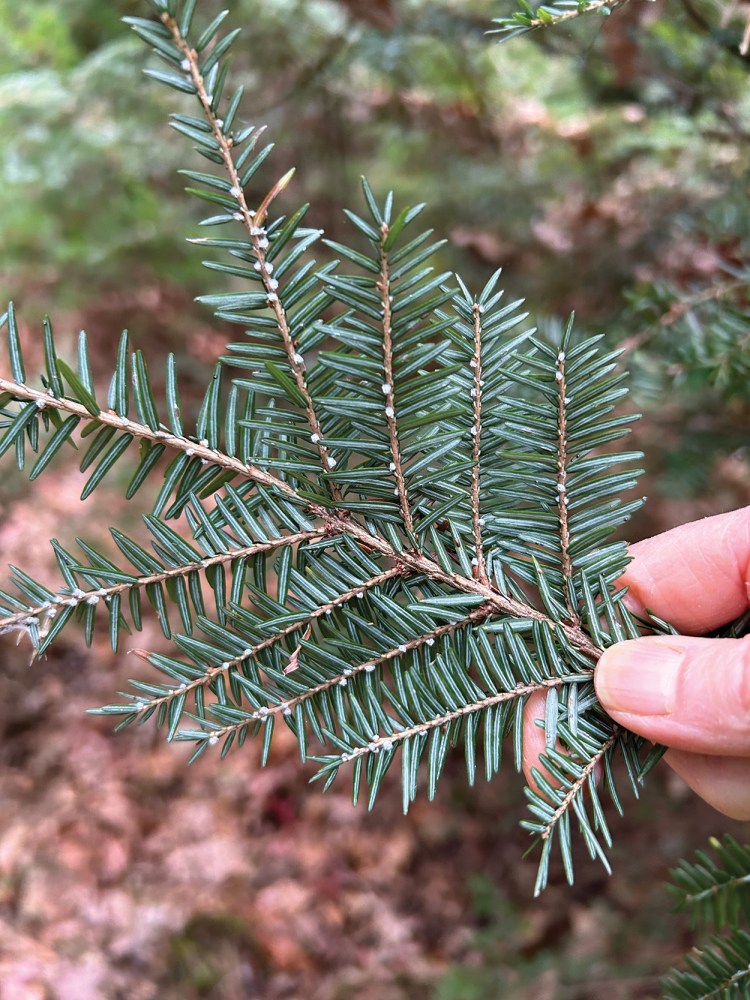
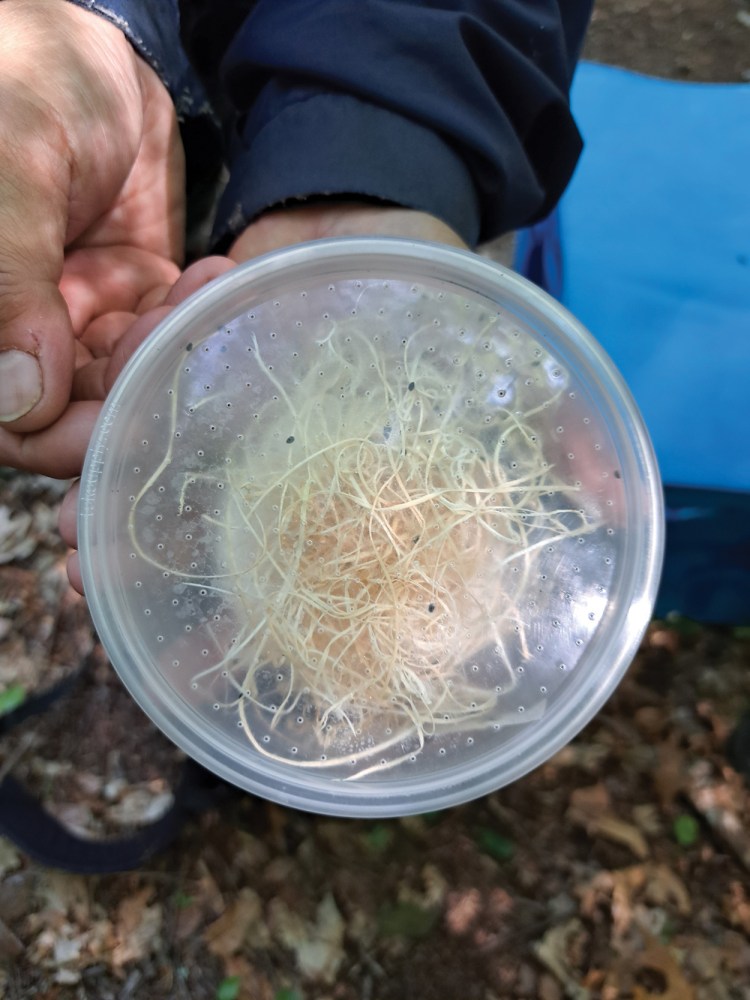
This year, LFSWS funded the Farmington River Watershed Association’s purchase of 10,000 S. tsugae for release as a biological control of the invasive hemlock woolly adelgid (HWA) in the lower Farmington River and Salmon Brook watershed. HWA is an invasive aphid-like insect that attacks North American hemlock trees. They can be identified on trees by the white woolly masses they form on the underside of branches. They attach themselves to the base of needles and insert their mouthparts to begin feeding on the stored starches. This leads to a decline in tree health, and eventual mortality.
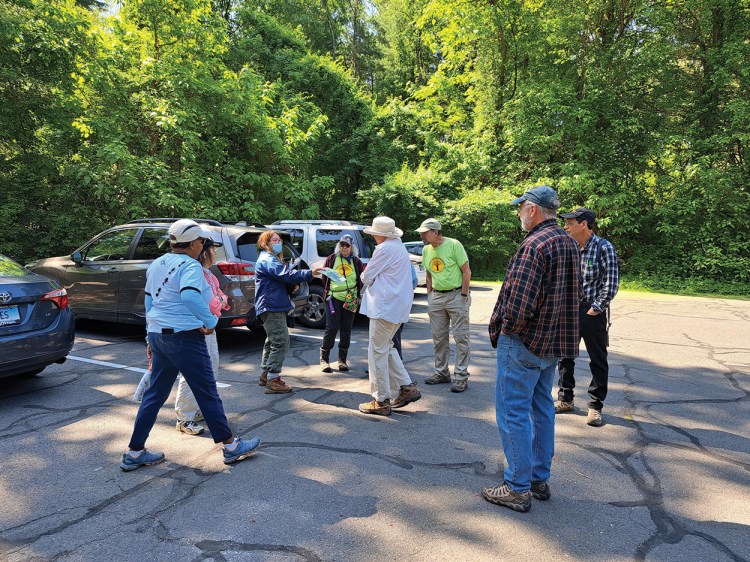
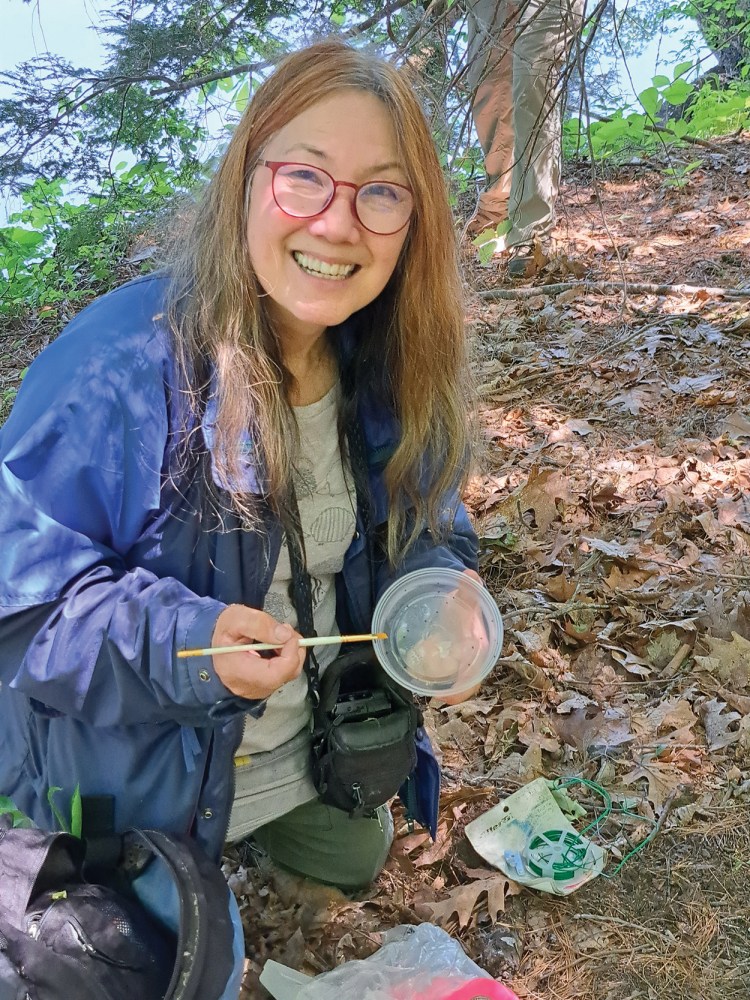
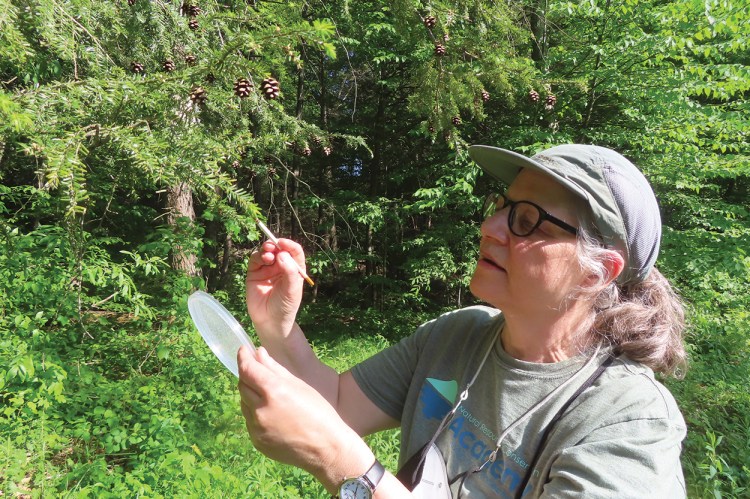
Dr. Carole Cheah conducted the primary scouting for viable HWA on state lands and parks, along with volunteers from the East Granby Land Trust, Simsbury Land Trust and Traprock Ridge Land Conservancy. A sudden polar vortex in February brought sub-zero temperatures, which resulted in winter mortality of 90% or more of the HWA. However, Cheah was able to pinpoint locations along the river and its tributaries which had less than 90% mortality, providing ideal locations for releases. 7 towns received LFSWS funded beetle releases in 2023; Avon, Bloomfield, Burlington, East Granby, Granby, Simsbury, and Windsor. In total, the beetles were released at six state forests/properties, three town parks, two land trust preserves, one game refuge and one commercial property.
Dr. Cheah’s research at the Connecticut Agricultural Experiment Station, where she is a research scientist, has established the effectiveness of S. tsugae in controlling the HWA. Control is important because hemlocks, which frequently grow along streams and waterbodies, have a substantial role in maintaining water temperatures that are cool enough to support fish and other aquatic organisms. They also provide breeding sites for some species of birds.
READ MORE IN THE
 Lower Farmington River and Salmon Brook Wild & Scenic