
WATER QUALITY & BIOLOGICAL DIVERSITY
“Changes in the Composition of Odonata (Dragonflies and Damselflies) Utilizing the Lower Farmington River/Salmon Brook Wild and Scenic Area”
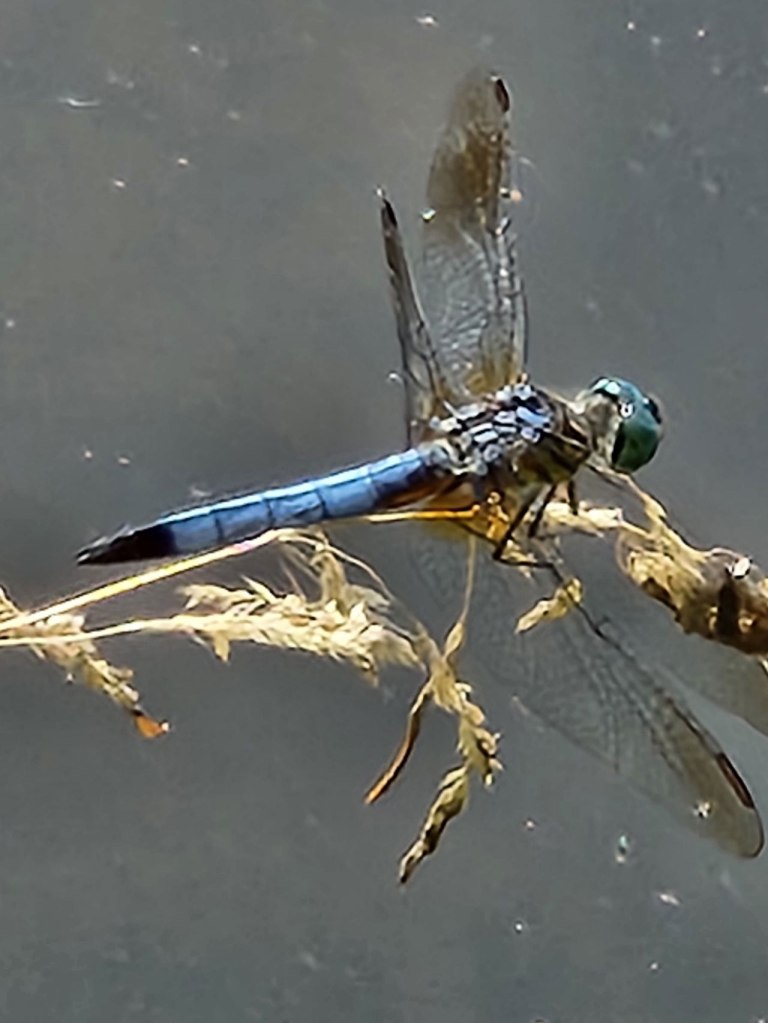
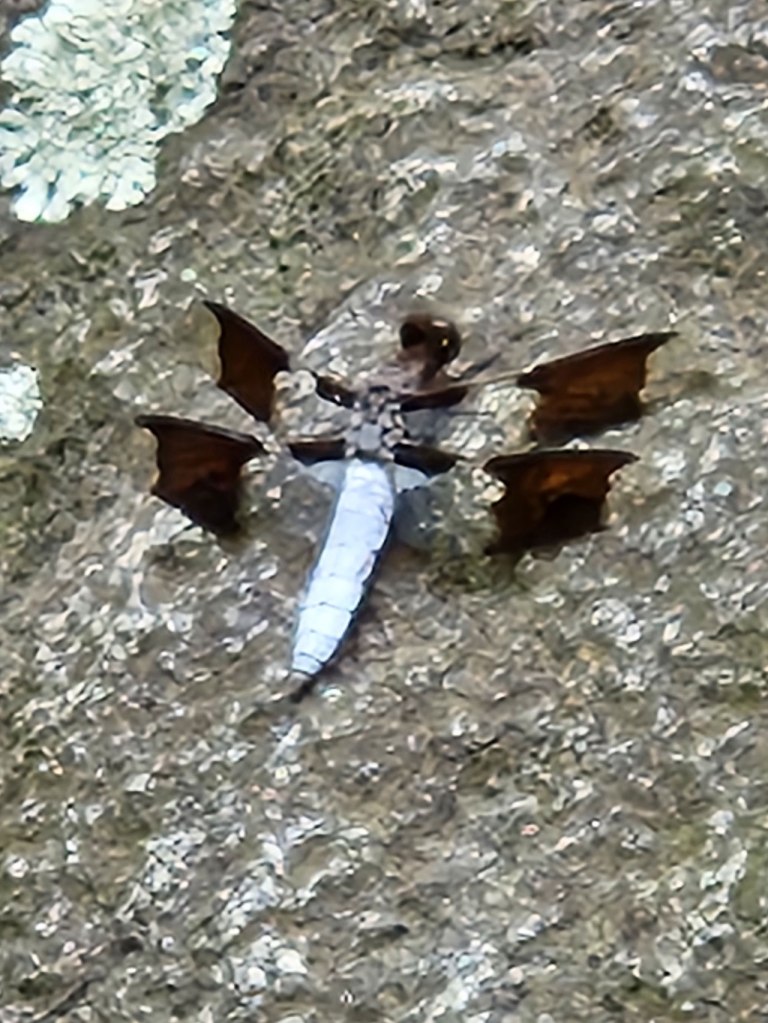
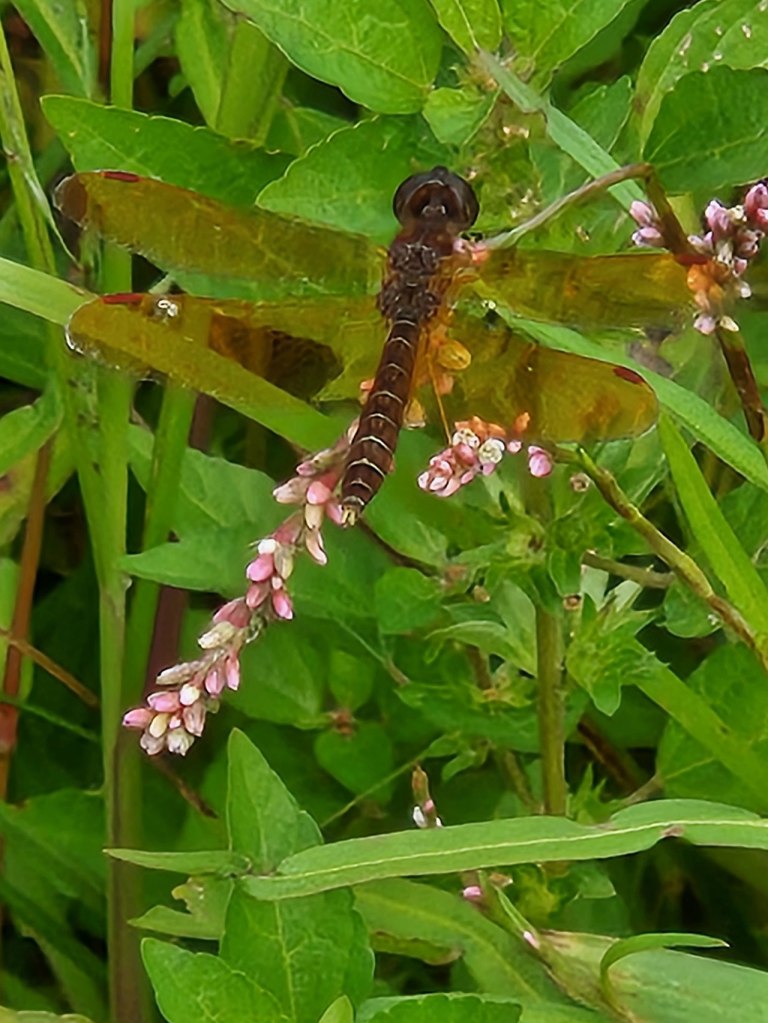
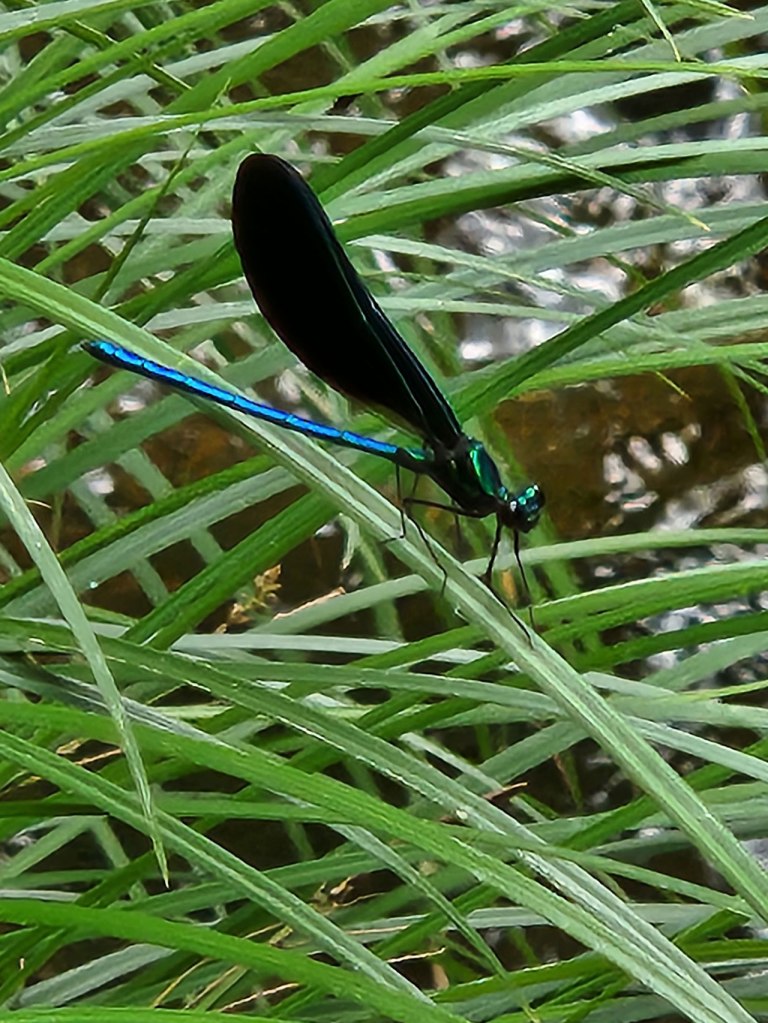
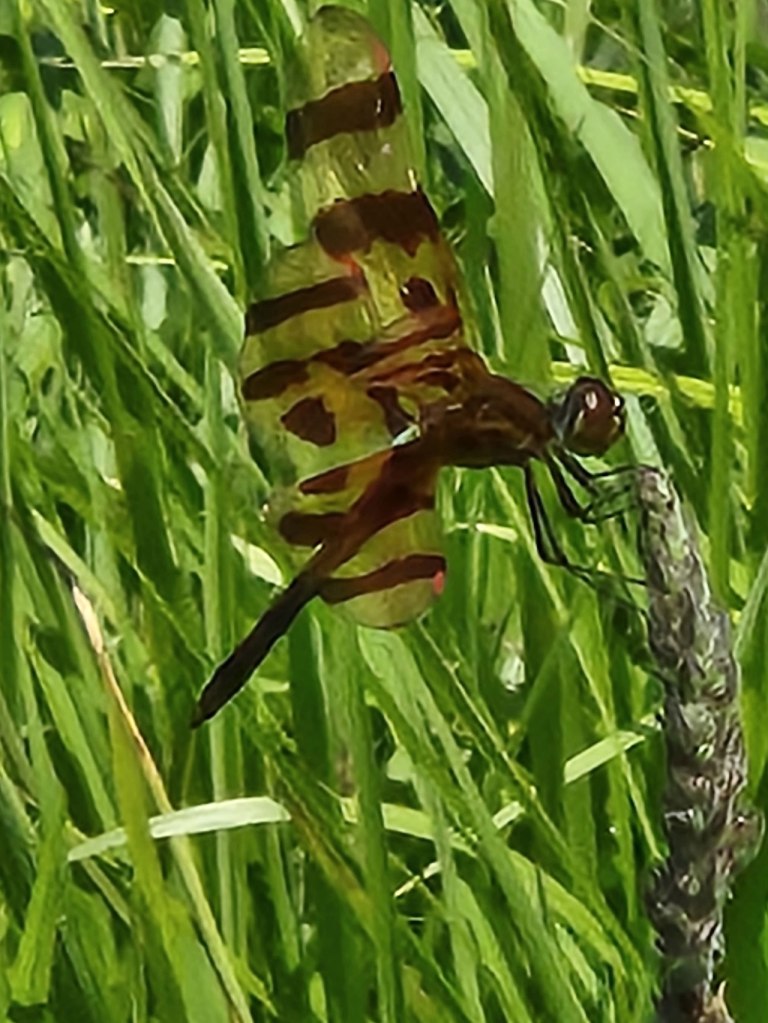
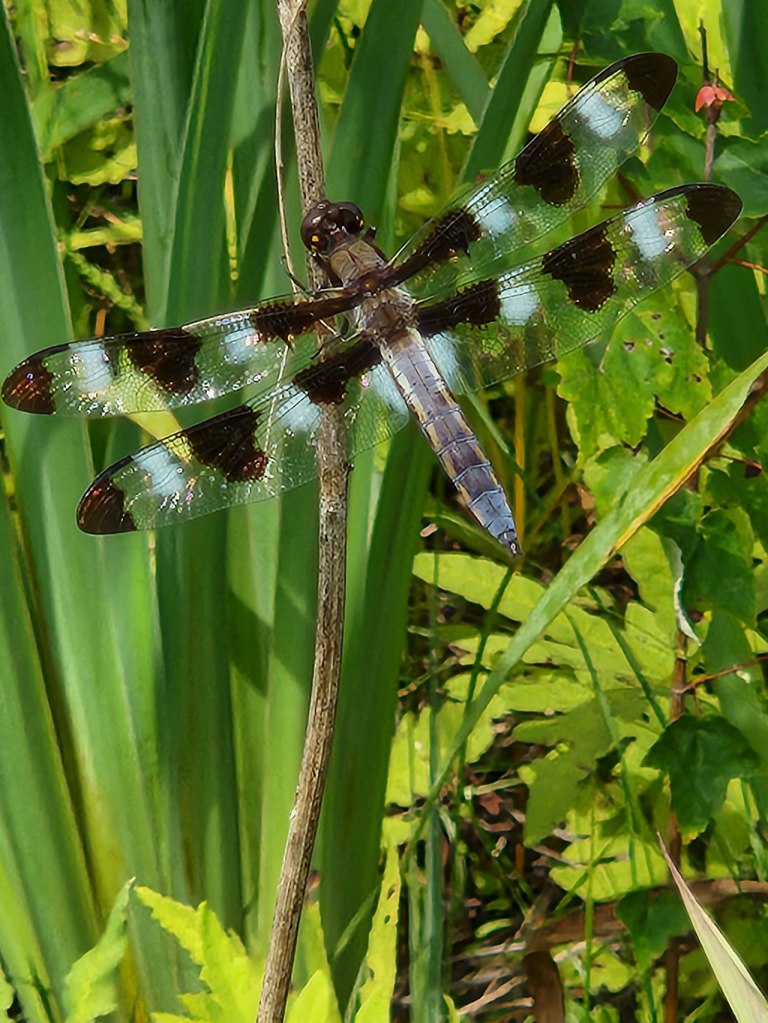
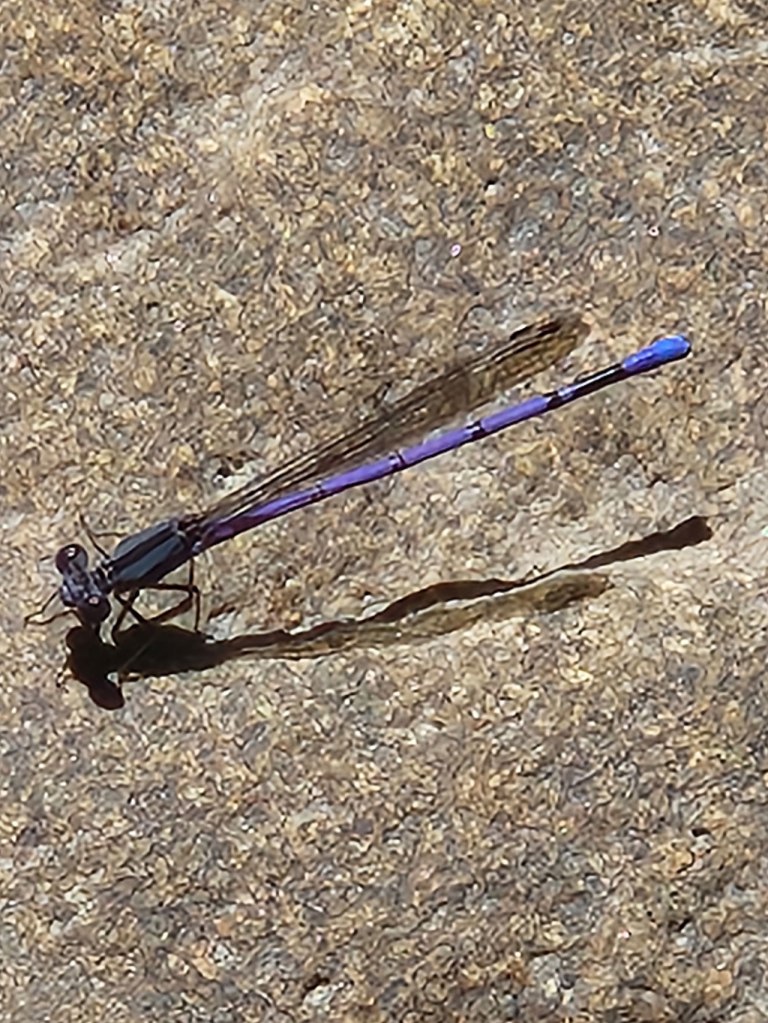
In the spring and summer of 2024, Jay Kaplan, Co-Director of Roaring Brook Nature Center, led a survey of Odonates (dragonflies and damselflies) at fifteen sites along the lower Farmington River and Salmon Brook. The survey covered sites which had been previously surveyed between 1991 and 2018. In the 2024 study, Kaplan revisited these sites several times to document what species of the insects were present.
The study revealed considerable variability in whether or not the expected species of the two kinds of insects were found at the sites visited. Based on his knowledge of dragonflies and damselflies, their life cycles and habitat requirements, Mr. Kaplan suggested a number of possible reasons for the changes in species composition. He found that the habitat at some of the sites had changed because of road or bridge construction in the area or change in land use. Some protected sites remained unchanged.
Additionally, changes in weather patterns may have resulted in an earlier emergence of the insects from their breeding locations so that the start date for the work might have meant that he had missed some species that emerged earlier than in past years. His report also points out that the presence of active damsel and dragonflies in a site is highly dependent on weather. The insects are not active in rainy weather and the summer of 2024 was unusually rainy, so it was hard to find an optimal time to survey. Finally, the report notes that both the dragonflies and damselflies have very short lives as flying insects, so that a particular species he and his coworkers expected to find at a given site might have been absent on the day or days the survey was done, but might have been present a day or two later.
The combination of human-caused habitat changes, difficulties caused by weather pattern shifts and by the insects’ inherent life cycles strongly suggests the need for more frequent surveys in order to provide a good understanding of the status of dragonfly and damselfly species in the LFSWS area. The complete study can be read here: “Changes in the Composition of Odonata (Dragonflies and Damselflies) Utilizing the Lower Farmington River/Salmon Brook Wild and Scenic Area.”
READ MORE IN THE
 Lower Farmington River and Salmon Brook Wild & Scenic