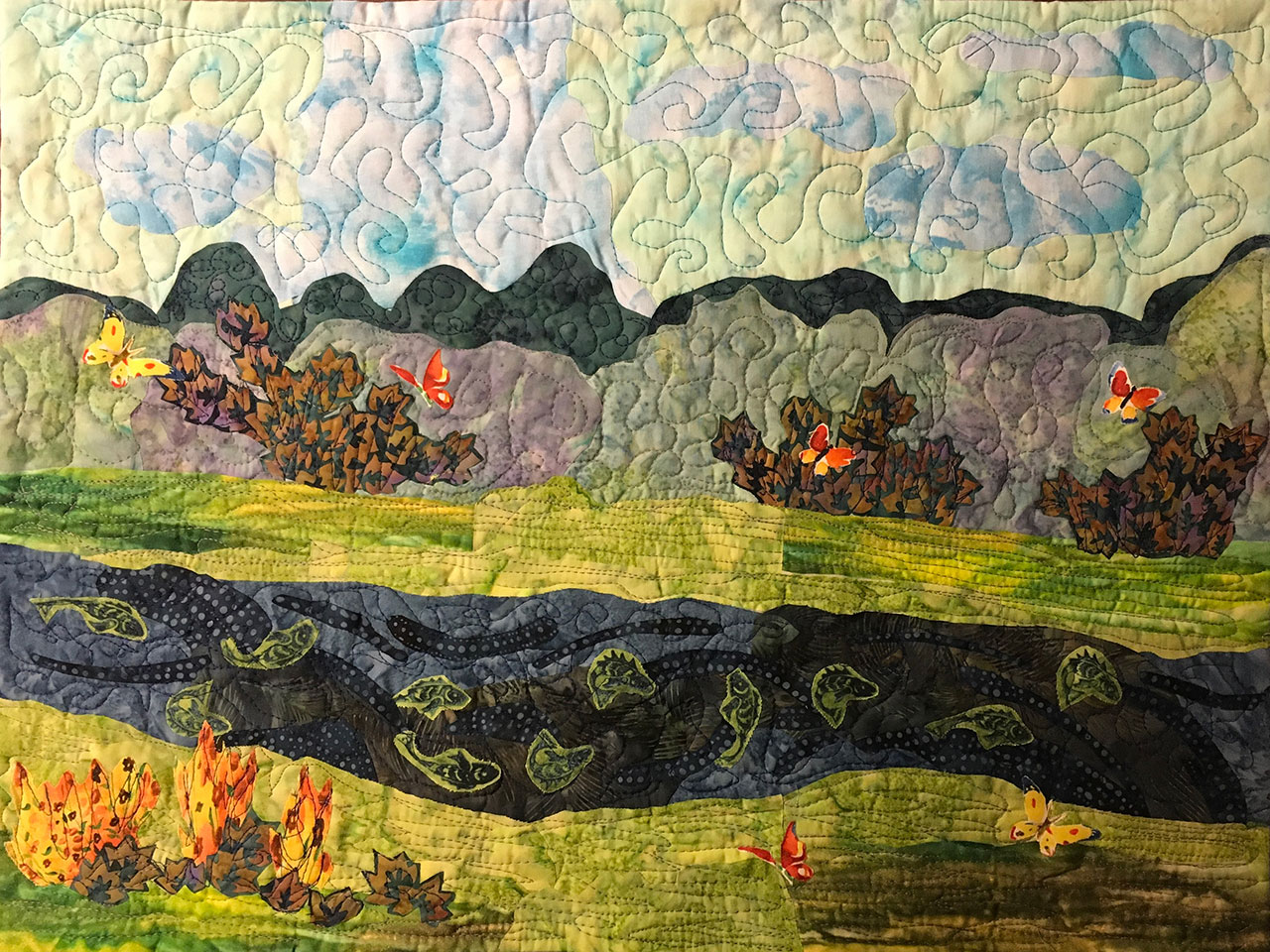
The Lower Farmington River and Salmon Brook Wild and Scenic Committee (LFSWS) is proud to present its Annual Report for the fiscal year 2024 (October 2023 through September 2024). The report summarizes the work we have done with respect to the river and brook’s special resources for which they were federally designated Wild & ScenicContinue reading “Lower Farmington River and Salmon Brook Wild and Scenic Annual Report 2024”
Category Archives: Uncategorized
LFSWS 2023: At-A-Glance
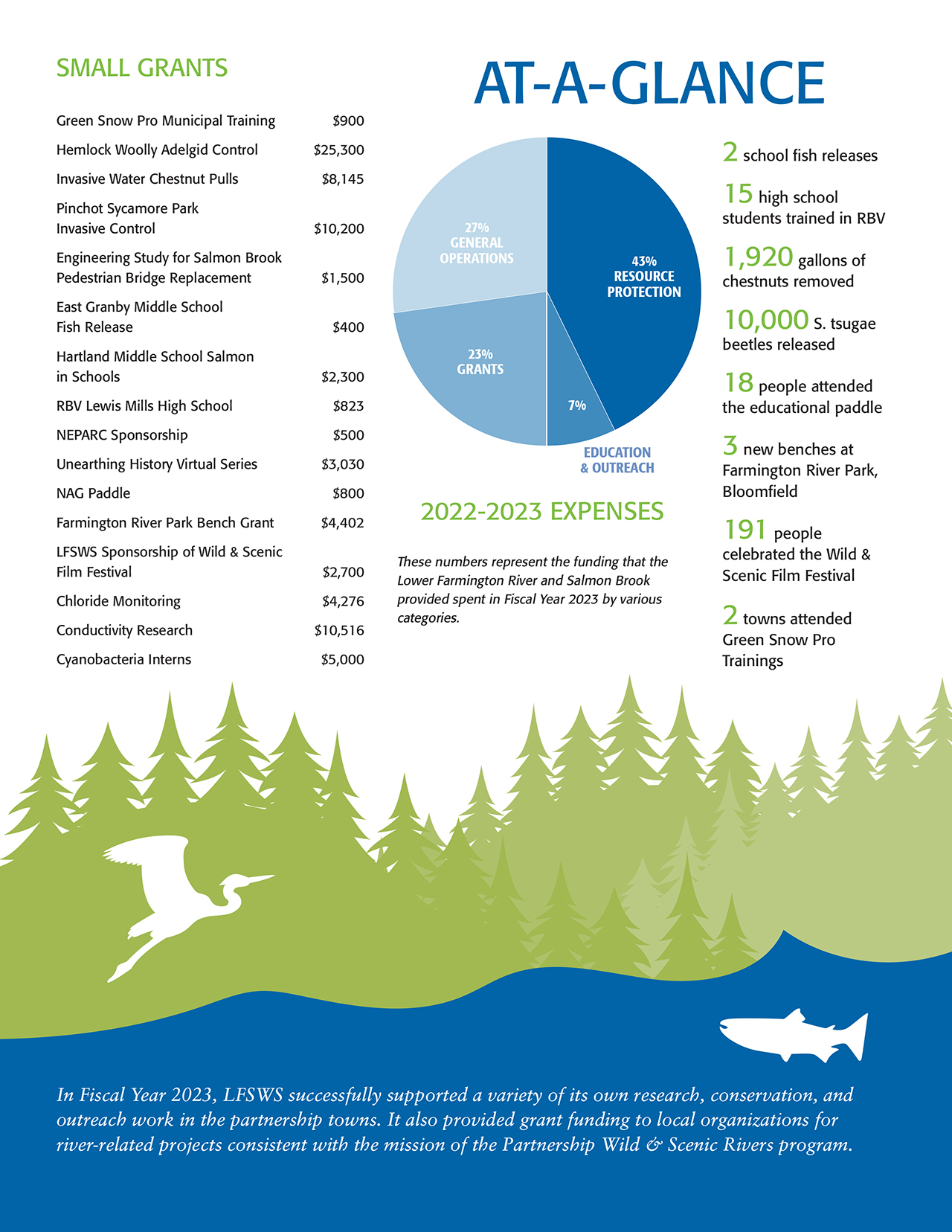
In Fiscal Year 2023, LFSWS successfully supported a variety of its own research, conservation, and outreach work in the partnership towns. It also provided grant funding to local organizations forriver-related projects consistent with the mission of the Partnership Wild & Scenic Rivers program.
CACIWIC Conference 2023
OTHER EDUCATION & OUTREACH PROJECTSThe Connecticut Association of Conservation and Inland Wetlands Commissions (CACIWIC) held their annual meeting on Saturday, November 11, at the Bristol Event Center. LFSWS sponsored the attendance of a Committee member who attended several sessions relevant to the lower Farmington River, Salmon Brook and its tributaries. These included greenways as aContinue reading “CACIWIC Conference 2023”
2025 Dragonfly and Damselfly Study

In 2024, Jay Kaplan of Roaring Brook Nature Center did a study of dragonflies and damselflies in the lower Farmington River and Salmon Brook area to compare the species present then with findings of studies from the 1990’s and early 2000’s. Some species he expected to find were not present. For the most part, theyContinue reading “2025 Dragonfly and Damselfly Study”
Nonprofit Accountability Group (NAG) Paddle
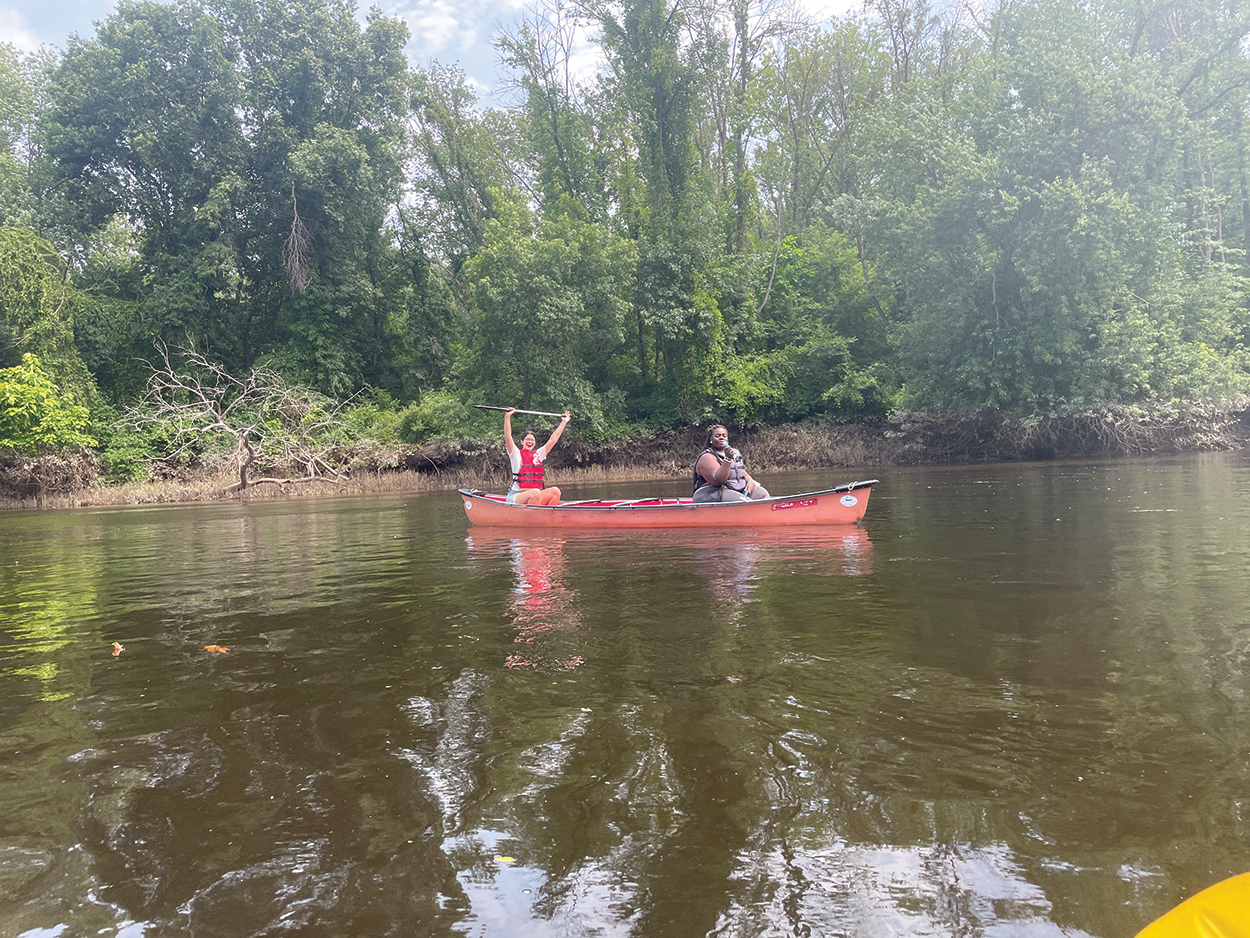
OTHER EDUCATION & OUTREACH PROJECTSLFSWS funded an educational paddle on the Farmington River for the Nonprofit Accountability Group (NAG) of Hartford which serves young people ages 13 to 18 years old. The river trip had 18 participants and was led by Farmington River Watershed Association staff. It took place in Windsor, with canoes, kayaks, andContinue reading “Nonprofit Accountability Group (NAG) Paddle”
Northeast Partners for Amphibianand Reptile Conservation (NEPARC) Sponsorship
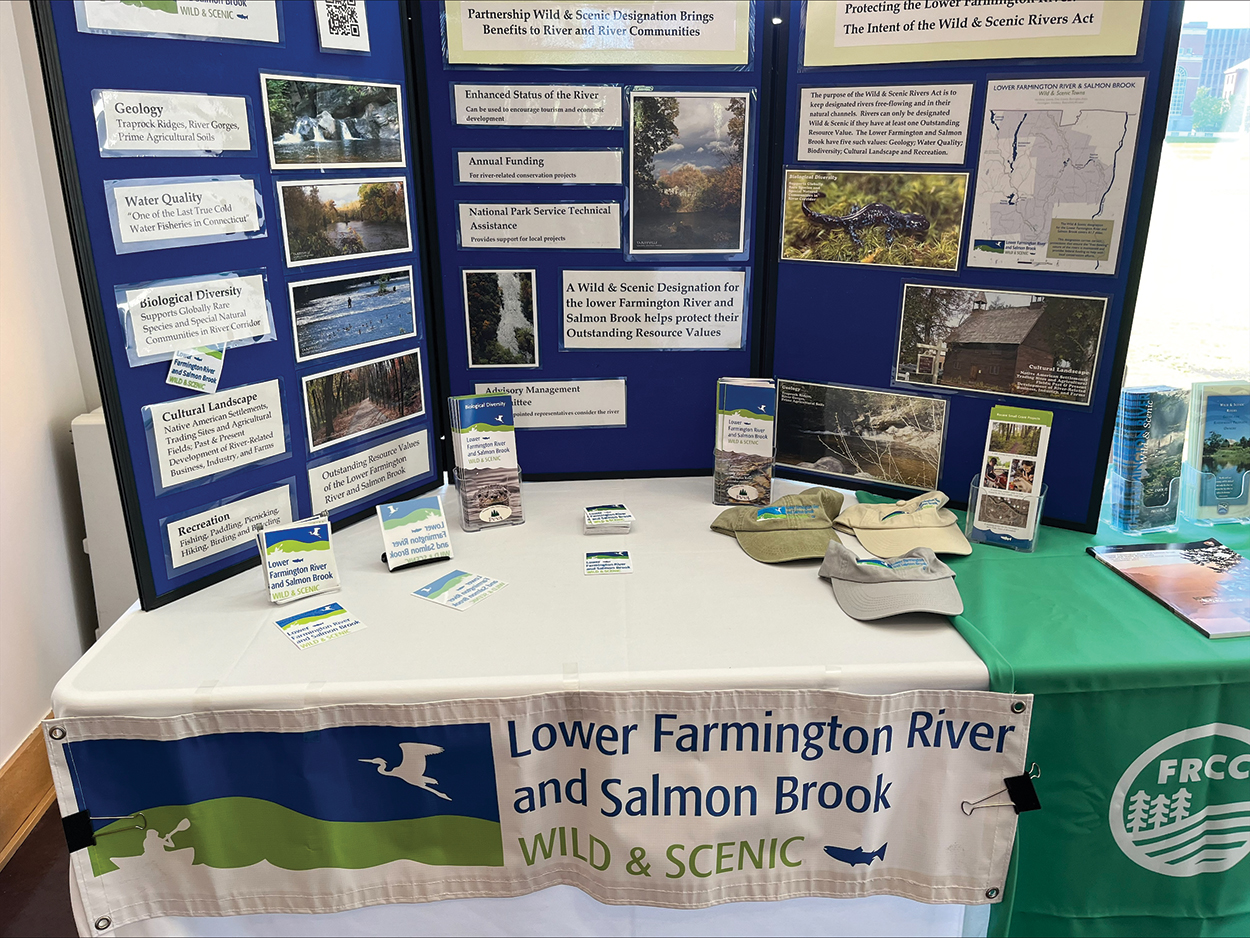
OTHER EDUCATION & OUTREACH PROJECTSLFSWS supported the 2023 Northeast Partners for Amphibian and Reptile Conservation (NEPARC) annual meeting, because both the lower Farmington River and Salmon Brook rely on scientific data from members of this group. The June, 2023 conference at Wesleyan University in Middletown provided an LFSWS member with the opportunity to learn aboutContinue reading “Northeast Partners for Amphibianand Reptile Conservation (NEPARC) Sponsorship”
LFSWS Sponsorship of Wild & Scenic Film Festival
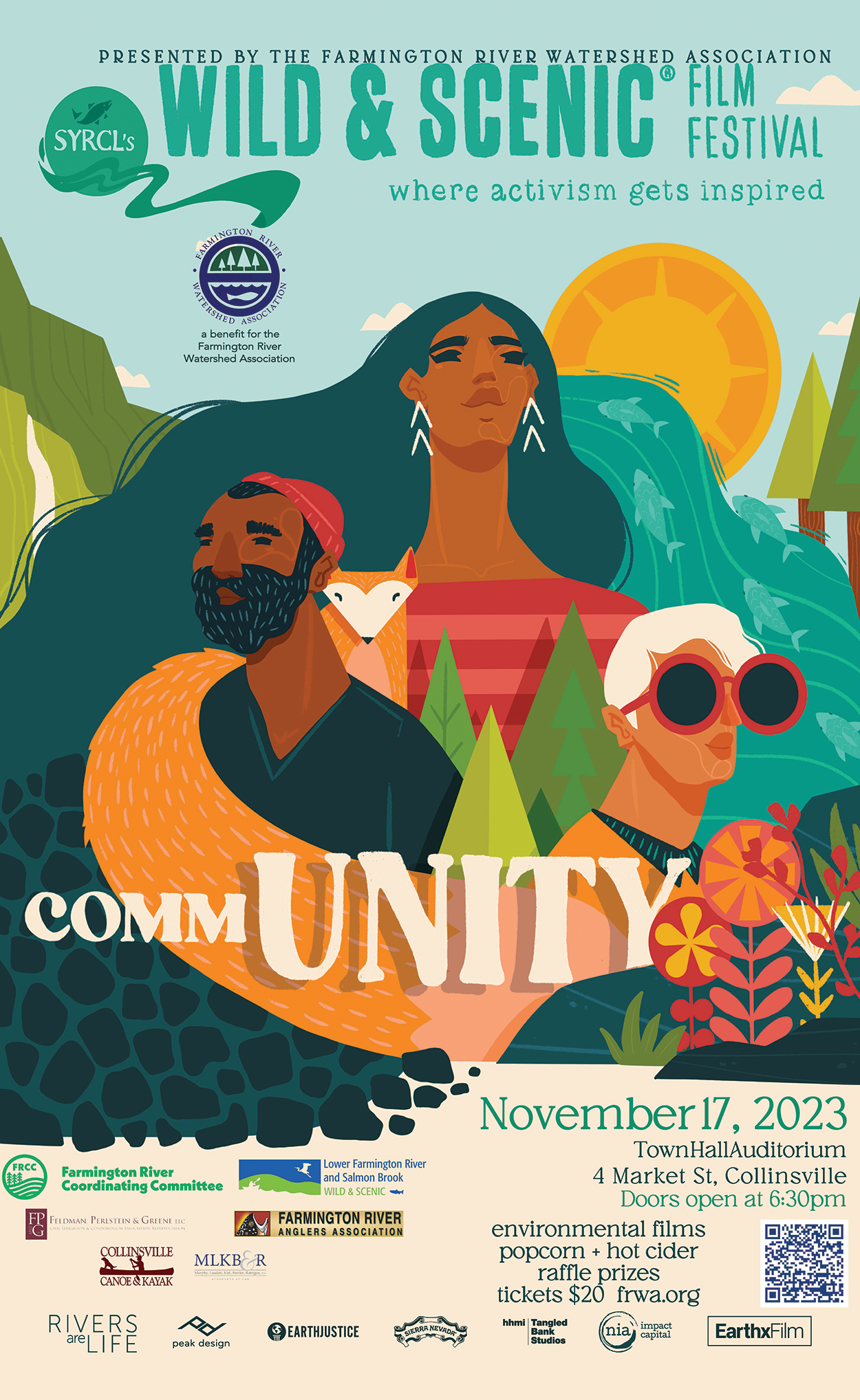
OTHER EDUCATION & OUTREACH PROJECTSLFSWS was proud to yet again help host the Wild & Scenic Film Festival along with our partners, FRWA and the Farmington River Coordinating Committee (FRCC). The greater Farmington River community came together for the Wild & Scenic Film Festival as a hybrid event. The live event was at the CantonContinue reading “LFSWS Sponsorship of Wild & Scenic Film Festival”
Farmington River Park Bench Grant

CULTURAL LANDSCAPE & RECREATIONLFSWS voted to support Bloomfield’s second request for grant funding for the Farmington River Park so the town could buy three benches to provide seating along a Bird Trail. Working on carrying out the town’s Master Plan for the Farmington River Park, the town and other partners developed the Bird Trail. EachContinue reading “Farmington River Park Bench Grant”
Unearthing History Virtual Series

CULTURAL LANDSCAPE & RECREATIONLFSWS sponsored a virtual series of lectures covering the Brian D. Jones Paleo-Indian discovery in Avon. Lecture series included LIDAR imaging of the dig site, Paleoindian hunting, blood residue analysis of ancient stone tools, travel corridors, and an update on the scientific analysis of the Brian D. Jones Paleo-Indian site. The UnearthingContinue reading “Unearthing History Virtual Series”
Riffle Bioassessment by Volunteers, Lewis Mills High School
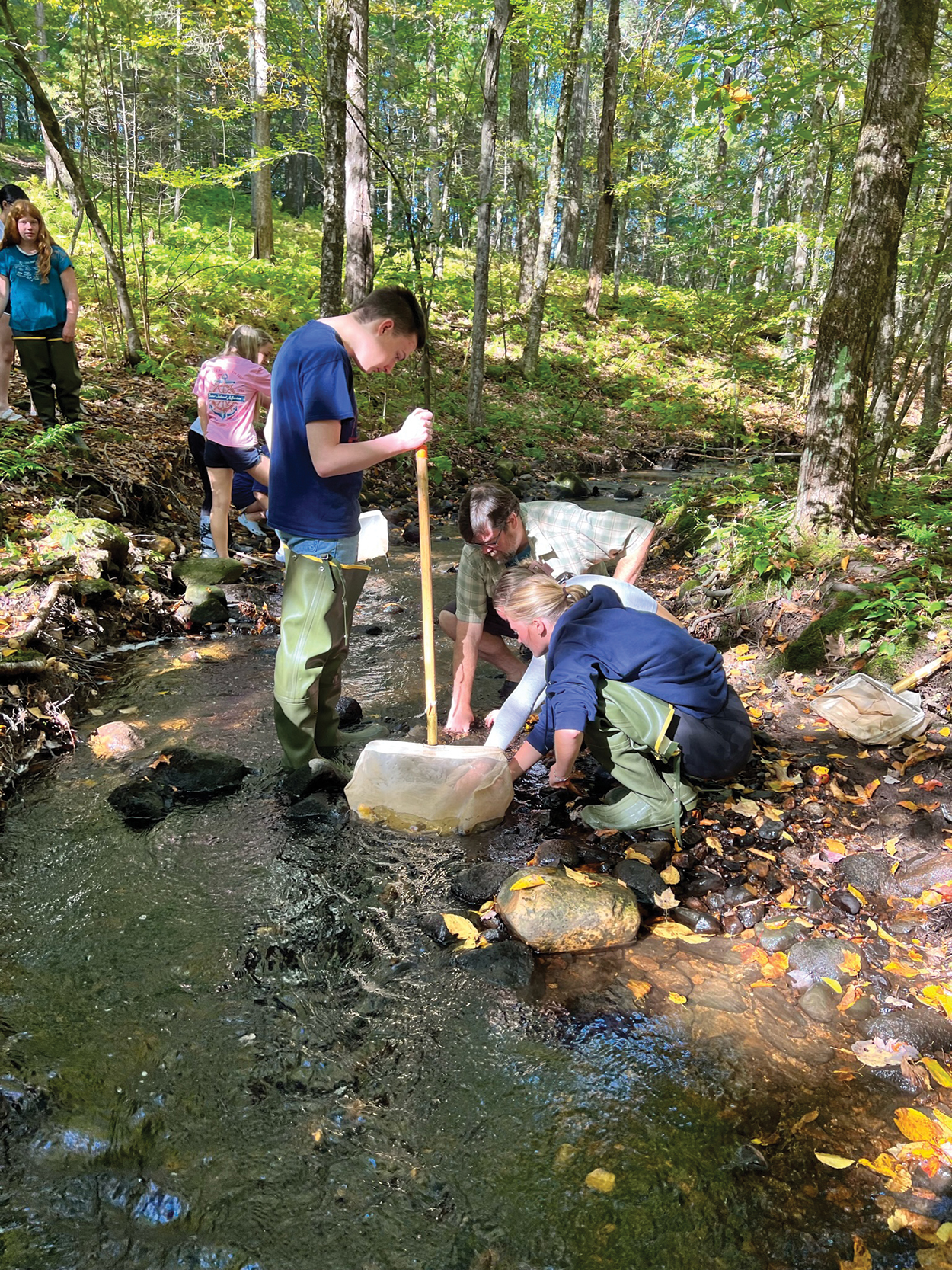
WATER QUALITY & BIOLOGICAL DIVERSITYLFSWS funded a grant for Farmington River Watershed Association to provide Middle and High School students education and hands-on training on how to conduct macroinvertebrate surveys. Fifteen students at Lewis Mills High School in Burlington, Connecticut were trained in Connecticut Department of Energy and Environmental Protection’s (CT DEEP’s) Riffle Bioassessment byContinue reading “Riffle Bioassessment by Volunteers, Lewis Mills High School”
 Lower Farmington River and Salmon Brook Wild & Scenic