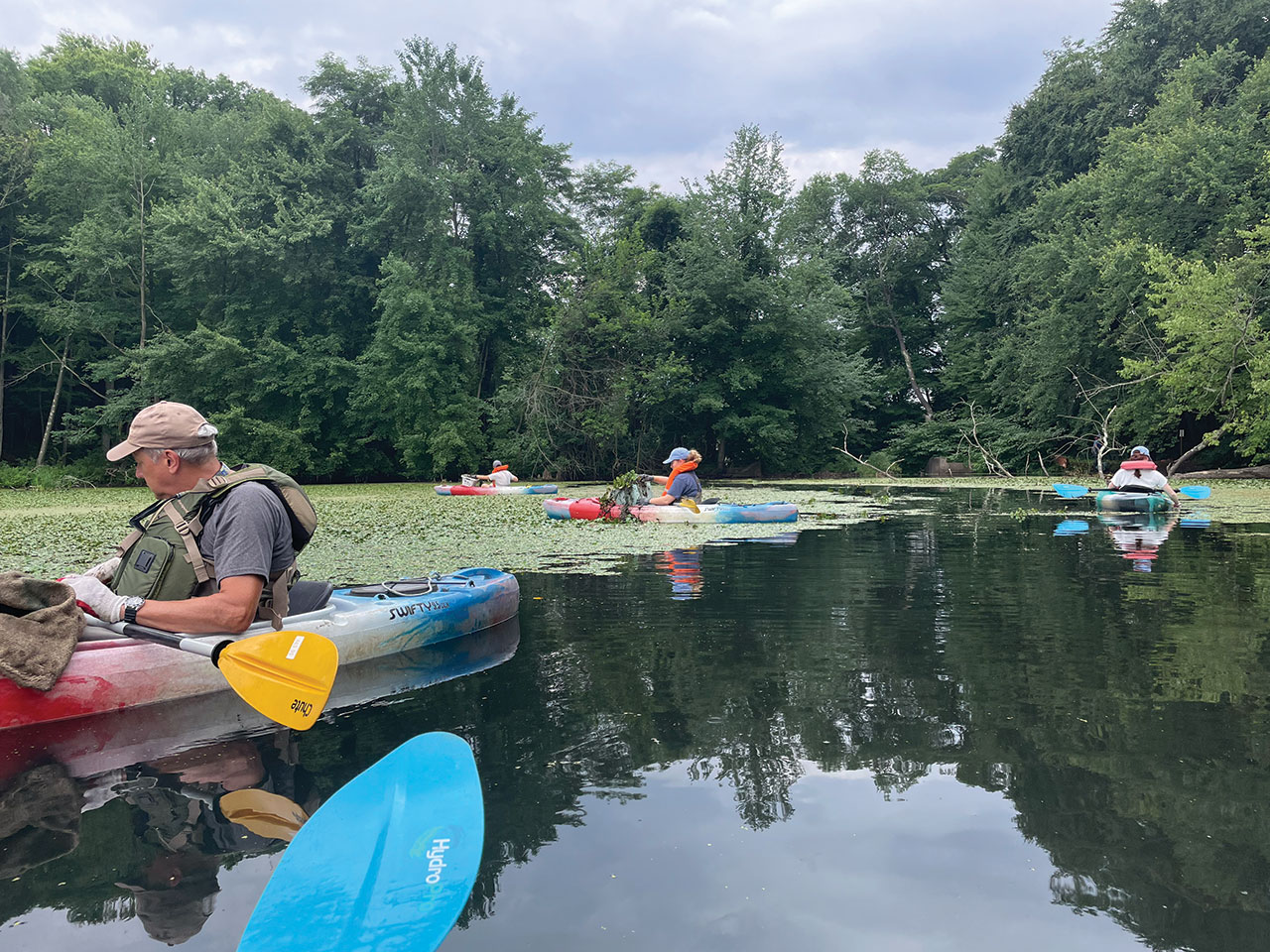
In 2022, the Connecticut River Conservancy alerted the FRWA to the presence of invasive water chestnut in Barber Pond on Mill Brook, a direct tributary to the Farmington River in Bloomfield. The dam that creates Barber Pond is slated for removal by the Connecticut Department of Energy and Environmental Protection (CT DEEP). Getting rid ofContinueContinue reading “Water Chestnut Control in Barber Pond”
Author Archives: Jen Payne
Conductivity Monitoring to Evaluate Chloride Pollution
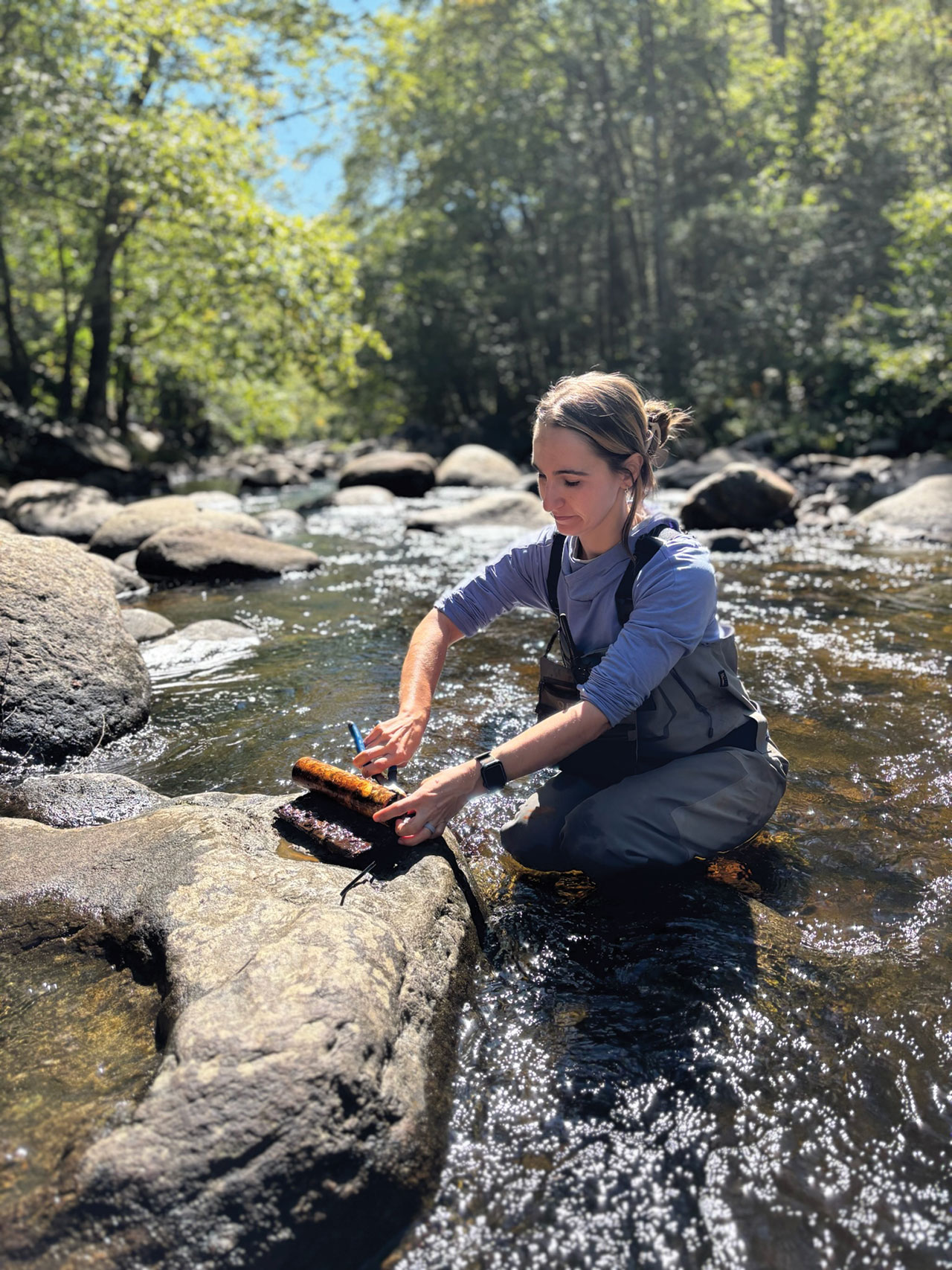
FRWA requested LFSWS funding in order to collect more data through its conductivity monitoring program, which began in 2023. There is a strong correlation between conductivity levels and chloride levels. That means higher conductivity indicates larger amounts of chloride (mostly from road salt) in the water. How elevated chloride is and for how long determinesContinueContinue reading “Conductivity Monitoring to Evaluate Chloride Pollution”
Rainbow Reservoir Monitoring for Cyanobacteria and Water Levels
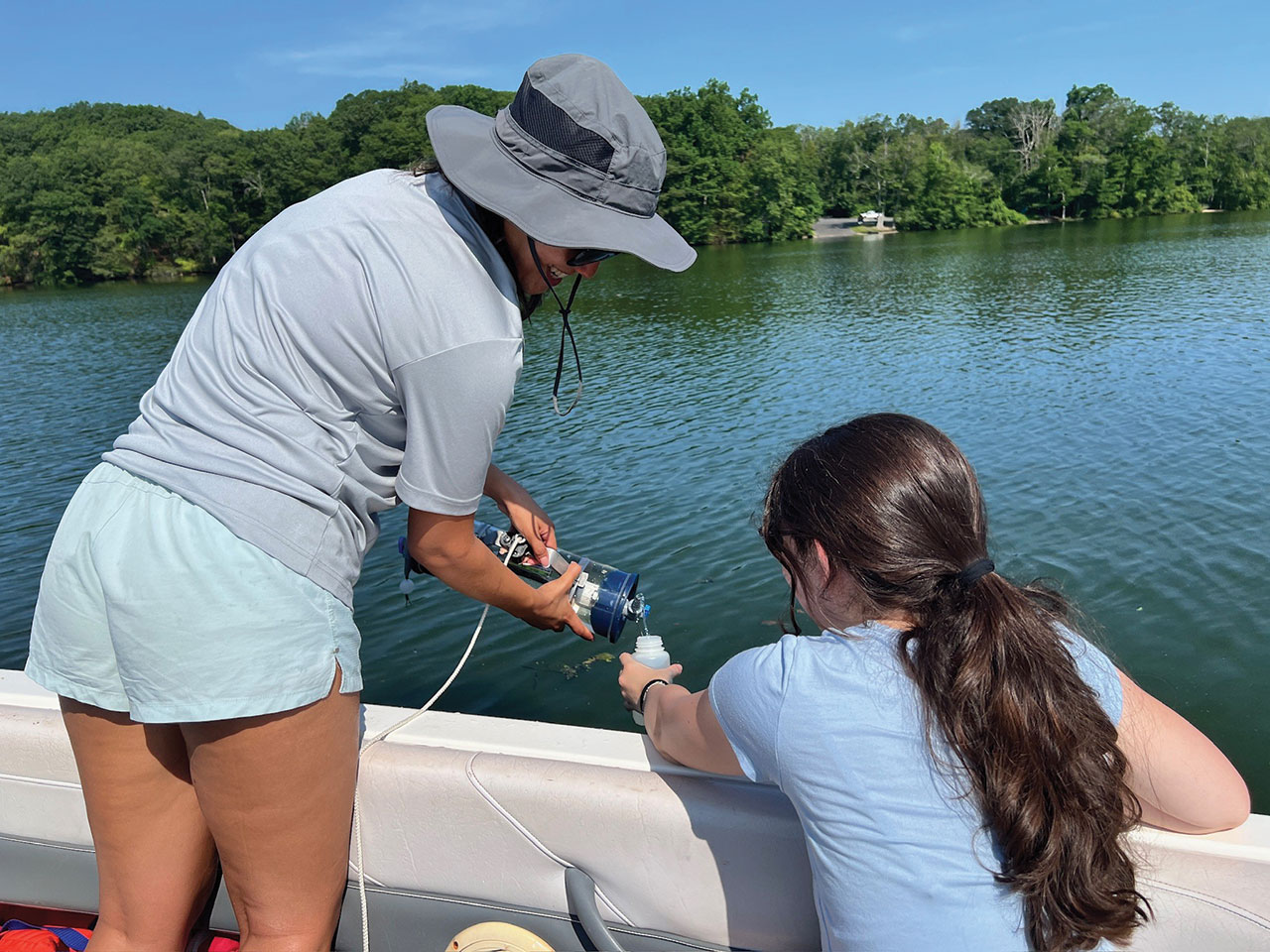
Since 2021, FRWA has been studying Rainbow Reservoir to determine the causes of recurrent cyanobacteria blooms which are negatively affecting water quality, recreation, and aquatic organisms. In 2025, FRWA requested funding from LFSWS to expand the study to include nutrients throughout the watershed. Sites above and below the 8 sewage treatment plants on the Farmington River and selected tributariesContinueContinue reading “Rainbow Reservoir Monitoring for Cyanobacteria and Water Levels”
Enhanced Cyanobacteria Research
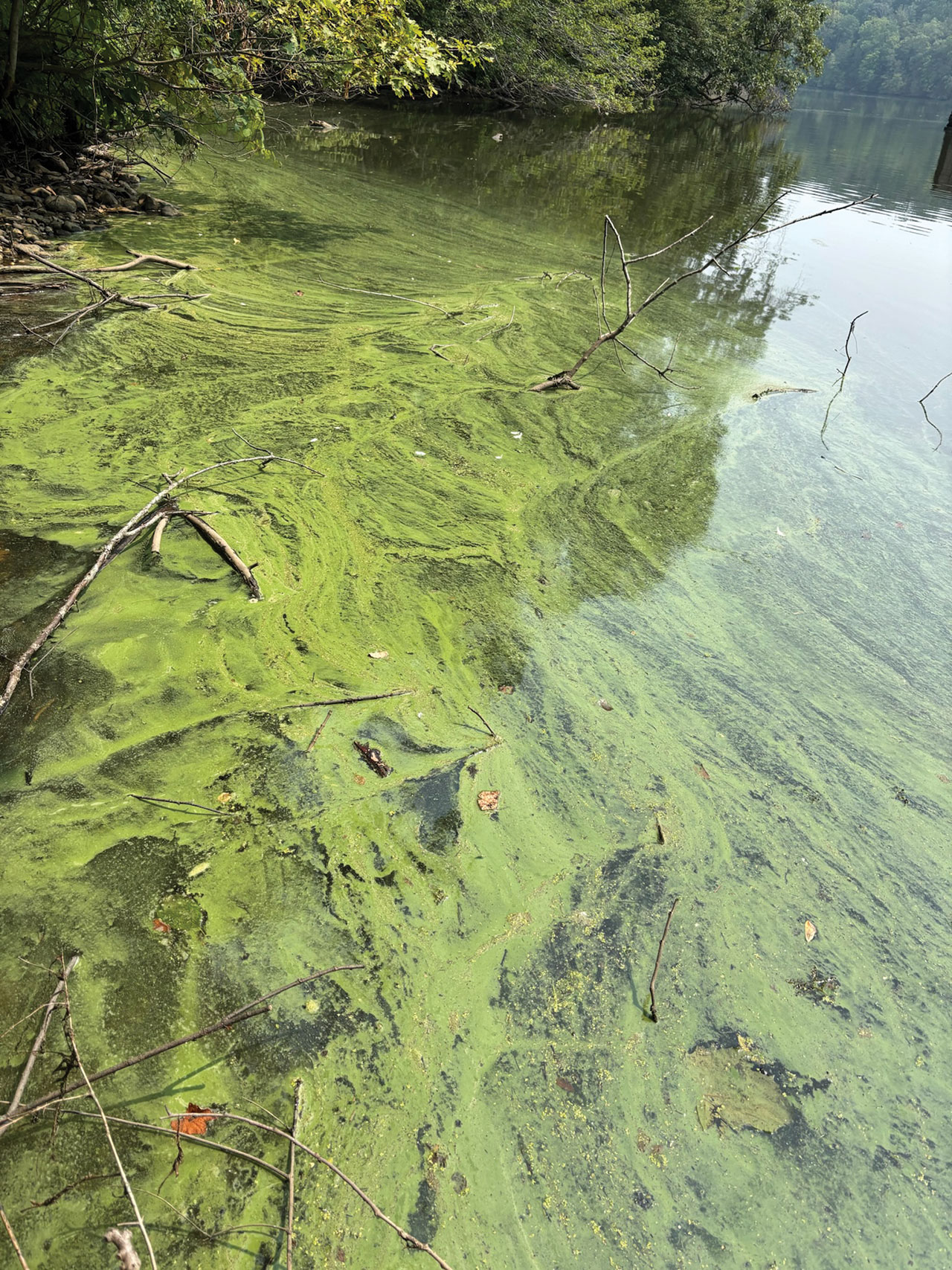
Since 2021, FRWA has been studying Rainbow Reservoir to determine the causes of recurrent cyanobacteria blooms which are negatively affecting water quality, recreation, and aquatic organisms. In 2025, FRWA requested funding from LFSWS to expand the study to include nutrients throughout the watershed. Sites above and below the 8 sewage treatment plants on the Farmington River and selected tributariesContinueContinue reading “Enhanced Cyanobacteria Research”
Water Quality Monitoring: Chloride
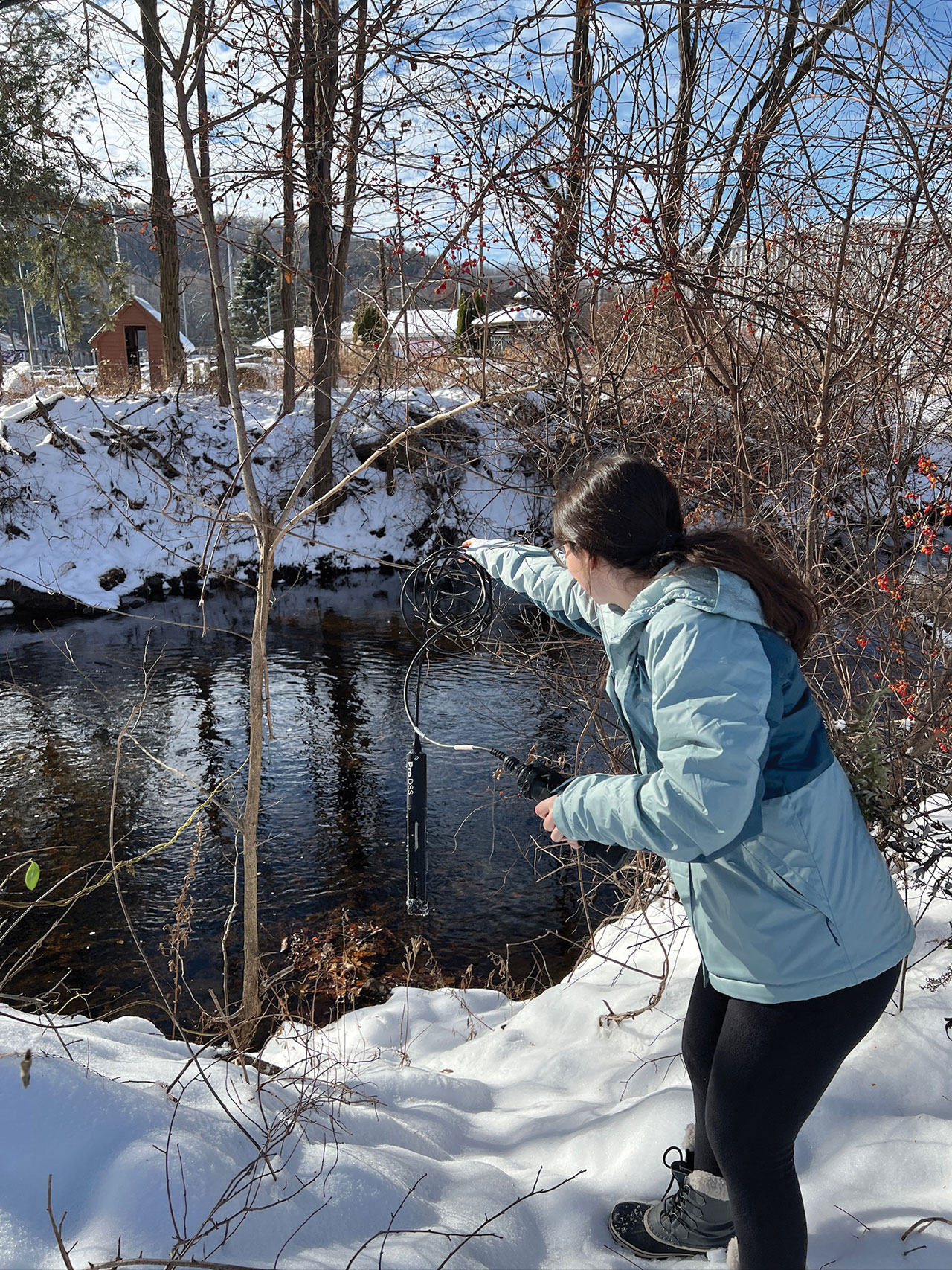
Fifteen sites were monitored for chloride pollution in 2025, using a multiparameter meter. The primary source of chloride pollution in the watershed is road salt application, yet chloride can infiltrate groundwater and appear in waterbodies during drought. Chloride was higher at all sites for both yearly average and maximums. While higher, not all sites wereContinueContinue reading “Water Quality Monitoring: Chloride”
Water Quality Monitoring: Water Temperature
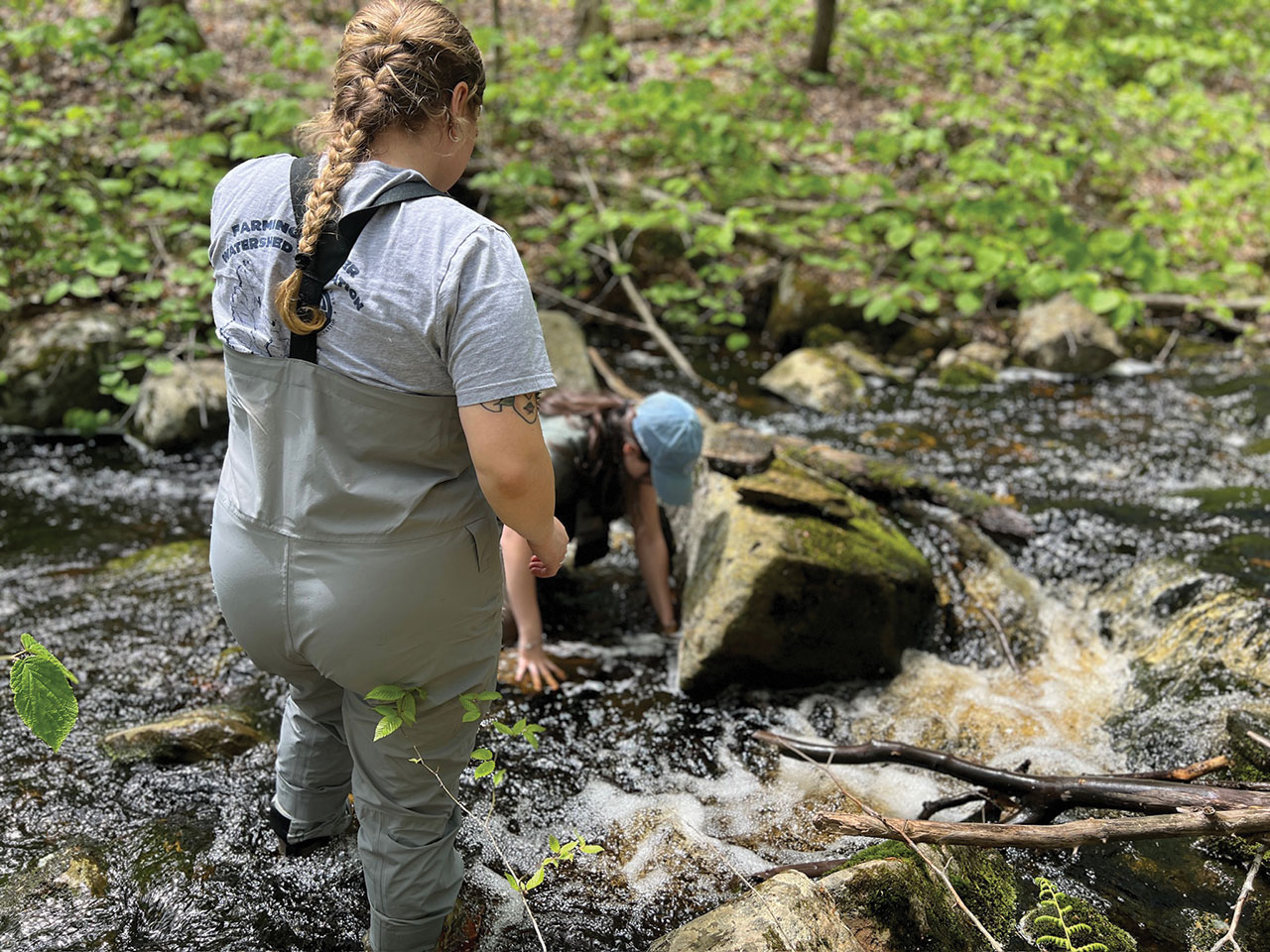
FRWA deployed water temperature loggers at nine sites in 2025. Each recorded temperatures throughout the year to document habitat for temperature-sensitive species and to assess trends. Summer average temperatures decreased for Rainbow Brook in Windsor from “warm” to “cool,” while the Farmington River downstream of the Rainbow Dam in Windsor increased from “cool” to “warm,”ContinueContinue reading “Water Quality Monitoring: Water Temperature”

